



the __construct method in php automatically initializes object properties upon instantiation. 2. it is defined using public function __construct($param) { ... } and accepts parameters for dynamic initialization. 3. properties are assigned via $this->property = $value, enabling immediate state setup, such as user data in a user class. 4. a default constructor with no parameters sets fixed initial values for consistent object states. 5. optional parameters with defaults (e.g., $name = "guest") allow flexible object creation. 6. in inheritance, parent::__construct() ensures parent initialization runs before child logic, maintaining proper setup chains.

If you are working with PHP classes and want to initialize object properties automatically, the constructor method is essential. Here's how to use it effectively:
The operating environment of this tutorial: MacBook Pro, macOS Sonoma
1. Understanding the __construct Method
The __construct() method is a special built-in function in PHP that automatically runs when a new object is created from a class. It helps set initial values for object properties without manually calling a method after instantiation.
- Every class can have one __construct() method
- It is not required but highly useful for initialization
- If both a class-specific constructor and an inherited one exist, the child class’s constructor takes precedence unless explicitly called
2. Basic Syntax of __construct
To define a constructor, declare a method named __construct inside your class using the function keyword. You can pass parameters to initialize object state during creation.
立即学习“PHP免费学习笔记(深入)”;
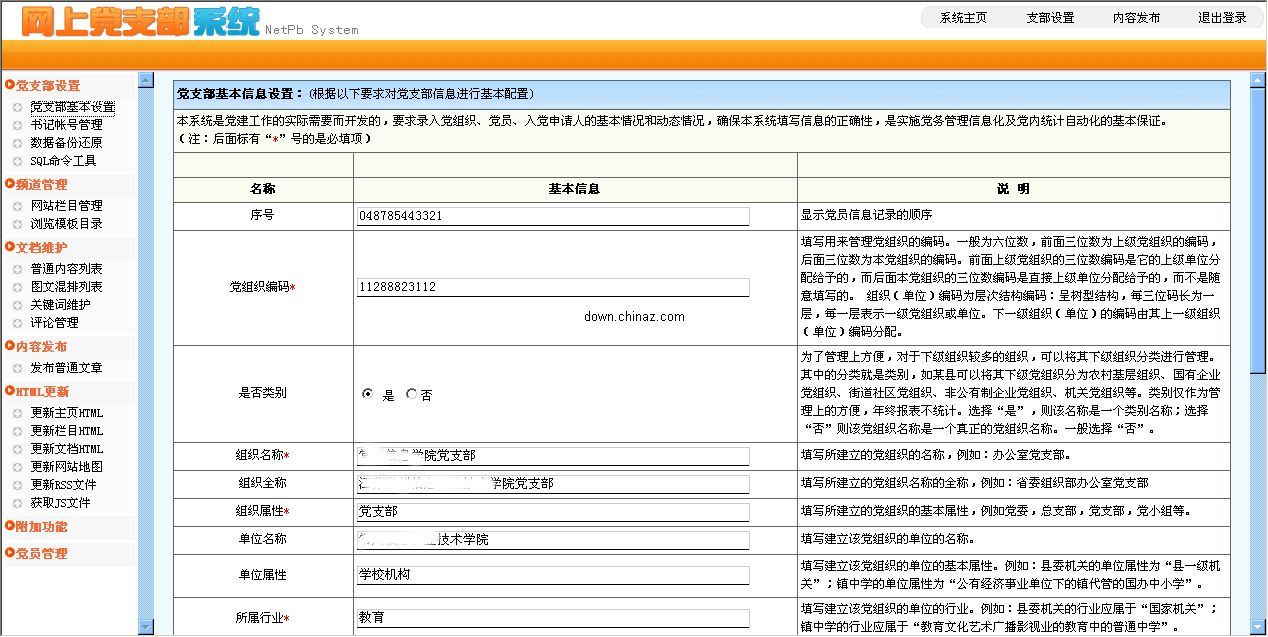
NetPb(Net Party branch)中文名称:网上党支部系统,是一款专门用于党员在线交流、信息管的内容系统,系统采用PHP+Mysql环境架构,基于国内著名开源系统Dedecms二次开发,整套系统在界面、程序部分修改,目的是为了更适合党员在线管理和交流. 进去/admin/login.php,默认用户名和密码为admin登录后进行相关设置,实用方法类似Dedecms
- Use the public access modifier for the constructor in most cases
- Syntax: public function __construct($param) { ... }
- Parameters allow dynamic initialization based on input at object creation time
3. Initialize Properties Using Constructor Parameters
Passing arguments through the constructor allows direct assignment to object properties via the $this keyword. This ensures each instance starts with correct data.
- Create a class with private or public properties
- Accept values in __construct() and assign them to $this->property
- Example: setting a user name and email when creating a User object
4. Implementing a Default Constructor
A default constructor does not accept any parameters and sets predefined values. Use this when no external input is needed upon object creation.
- Define __construct() without parameters
- Set fixed initial states like status flags or default configurations
- This is helpful for utility classes or objects requiring consistent startup behavior
5. Handling Optional Parameters in Constructors
You can make constructor parameters optional by assigning default values. This increases flexibility when instantiating objects with varying amounts of data.
- Add default values like __construct($name = "Guest")
- Allows creating objects with minimal or full data as needed
- Supports backward compatibility when extending existing classes
6. Calling Parent Constructor in Inheritance
When extending a class that has a constructor, use parent::__construct() to ensure the parent's initialization logic runs before the child's.
- In a subclass, include parent::__construct() inside the child’s __construct
- Pass necessary arguments to maintain proper initialization chain
- Failing to call it may result in missing setup steps defined in the parent class




