



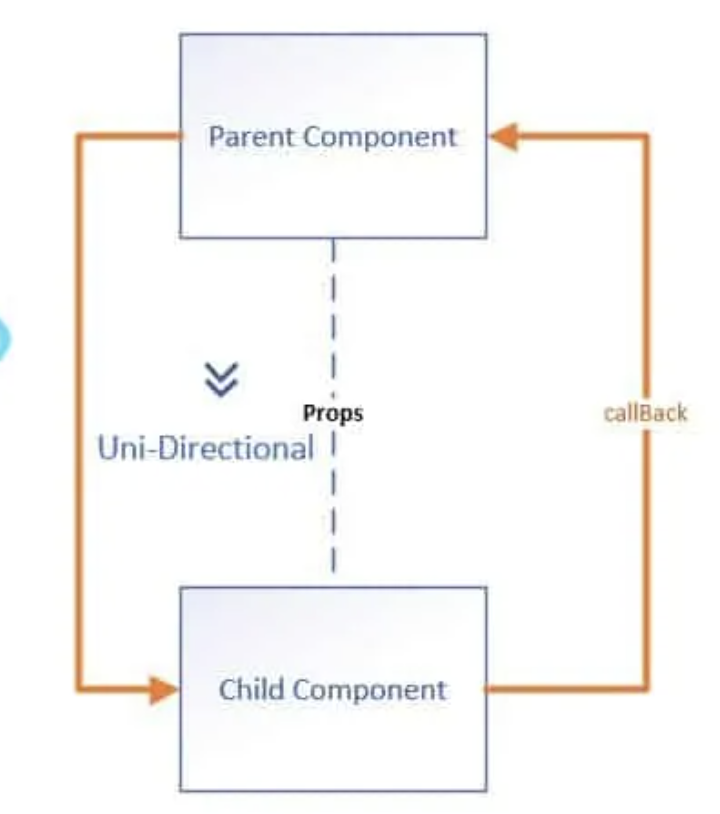
使用 react native 时,构建可重用和模块化组件是很常见的。有时,我们需要子组件访问或修改父组件中的状态和函数,反之亦然。父组件和子组件之间的这种通信可以通过几种不同的方式来实现。让我们深入研究各种技术,以便更轻松地在 react native 中的父组件和子组件之间共享状态和功能。
1. 将状态和函数从父级传递给子级
使用道具
props 是从父组件到子组件共享数据和函数的最直接的方法。当父组件需要控制子组件中的某些行为或数据时,这特别有用。
示例:将父级状态和函数传递给子级
import react, { usestate } from 'react';
import { view, button, text } from 'react-native';

const parentcomponent = () => {
  const [count, setcount] = usestate(0);

  // function to increment count
  const incrementcount = () => setcount(count + 1);

  return (
    <view>
      <text>count: {count}</text>
      <childcomponent count={count} incrementcount={incrementcount} />
    </view>
  );
};

const childcomponent = ({ count, incrementcount }) => {
  return (
    <view>
      <text>count from parent: {count}</text>
      <button title="increment count" onpress={incrementcount} />
    </view>
  );
};

export default parentcomponent;
在此示例中:
- 父组件(parentcomponent)有计数状态和incrementcount函数。
- 这些通过 props 传递给子组件(childcomponent)。
- 子组件可以使用提供的函数显示和操作父组件的状态。
2. 从父级访问子级功能
要从父组件触发子组件中的功能,我们可以使用 refs 和 回调函数。
将 useref 与forwardref 结合使用
使用 useref 和 react.forwardref,父组件可以直接访问子函数,从而提供对子组件的更多控制。
示例:从父函数调用子函数
import react, { useref } from 'react';
import { view, button, text } from 'react-native';

const parentcomponent = () => {
  const childref = useref(null);

  // function to call child function from parent
  const callchildfunction = () => {
    if (childref.current) {
      childref.current.showalert();
    }
  };

  return (
    <view>
      <button title="call child function" onpress={callchildfunction} />
      <childcomponent ref={childref} />
    </view>
  );
};

const childcomponent = react.forwardref((props, ref) => {
  const showalert = () => {
    alert('child function called!');
  };

  react.useimperativehandle(ref, () => ({
    showalert
  }));

  return (
    <view>
      <text>this is the child component.</text>
    </view>
  );
});

export default parentcomponent;
在此示例中:
- 我们使用 react.forwardref 将 ref 从父级传递给子级。
- 子组件定义了一个使用 useimperativehandle 向父组件公开的 showalert 函数。
- 然后父级可以通过访问 childref 来调用 showalert。
3. 访问深度嵌套组件中的父状态和函数
在组件嵌套多层的情况下,通过每个组件向下传递 props 可能会变得很麻烦。对于这些场景,react context api 提供了一个解决方案,允许在整个组件树上共享状态和函数。

使用 react 上下文 api
示例:访问深度嵌套子级中的父级状态和函数
import react, { createcontext, usecontext, usestate } from 'react';
import { view, button, text } from 'react-native';

const countcontext = createcontext();

const parentcomponent = () => {
  const [count, setcount] = usestate(0);

  const incrementcount = () => setcount(count + 1);

  return (
    <countcontext.provider value={{ count, incrementcount }}>
      <view>
        <text>count: {count}</text>
        <nestedchildcomponent />
      </view>
    </countcontext.provider>
  );
};

const nestedchildcomponent = () => {
  return (
    <view>
      <deepchildcomponent />
    </view>
  );
};

const deepchildcomponent = () => {
  const { count, incrementcount } = usecontext(countcontext);

  return (
    <view>
      <text>count from context: {count}</text>
      <button title="increment count" onpress={incrementcount} />
    </view>
  );
};

export default parentcomponent;
在此示例中:
- 我们使用createcontext创建countcontext,它保存count和incrementcount函数。
- parentcomponent 将嵌套组件包装在 countcontext.provider 内,以提供对计数状态和incrementcount 函数的访问。
- deepchildcomponent可能嵌套了几层,可以使用usecontext轻松访问计数状态和incrementcount函数。
4. 在没有上下文的情况下从子级更新父级状态
如果子组件需要更新父组件的状态,并且您不想使用 context api,则可以将回调函数从父组件传递给子组件。
示例:使用子回调更新父状态
import React, { useState } from 'react';
import { View, Button, Text } from 'react-native';

const ParentComponent = () => {
  const [message, setMessage] = useState('Hello from Parent');

  // Callback to update parent state
  const updateMessage = (newMessage) => setMessage(newMessage);

  return (
    <View>
      <Text>Message: {message}</Text>
      <ChildComponent updateMessage={updateMessage} />
    </View>
  );
};

const ChildComponent = ({ updateMessage }) => {
  return (
    <View>
      <Button
        title="Update Parent Message"
        onPress={() => updateMessage('Hello from Child')}
      />
    </View>
  );
};

export default ParentComponent;
在此示例中:
- 父组件定义了一个函数updatemessage来修改其状态。
- 此函数作为 prop 传递给子组件。
- 子进程可以调用此函数来更新父进程的消息状态。
结论
react native 提供了各种方法来促进父组件和子组件之间的通信。根据您的需求:
- 使用props在直接父级和子级之间进行简单的数据和函数共享。
- 使用refs和forwardref来允许父组件调用子函数。
- context api 非常适合在深度嵌套的组件之间共享数据。
- 回调函数为子级提供了一种直接的方式来更新父状态,而不需要全局上下文。
这些方法如果使用得当,可以极大地增强你在 react native 中管理和组织复杂组件层次结构的能力。对每一个进行实验,了解哪一个最适合您的项目要求。快乐编码!




