



在c++程序中整合linux命令行工具,可以通过多种方式实现,以下是几种常见的实现方法:
-
利用系统调用(system函数):通过system()函数,可以在C++程序中直接执行shell命令。该函数会启动一个新的shell进程来运行指定的命令。
 #include
int main() {
int result = system("ls -l");
return result;
}
注意:使用system()函数可能存在安全隐患,因为它会执行任何传入的命令,这可能导致安全漏洞。此外,它在跨平台开发中也不具备优势。
-
使用popen函数:popen()函数允许你打开一个管道,指向一个命令,并从中读取输出或向其写入输入。与system()函数相比,popen()提供了更高的灵活性,因为你可以直接在程序中控制输入和输出。
#include
include
include
include
include
include
std::string executeCommand(const char* cmd) { std::array
int main() { try { std::string output = executeCommand("ls -l"); std::cout << output; } catch (const std::exception& e) { std::cerr << e.what() << std::endl; } return 0; }
-
使用exec系列函数:exec系列函数(如execl(), execv()等)可以在当前进程中替换当前程序映像为另一个程序。这些函数不会创建新的进程,而是在当前进程中执行新的程序。
立即学习“C++免费学习笔记(深入)”;
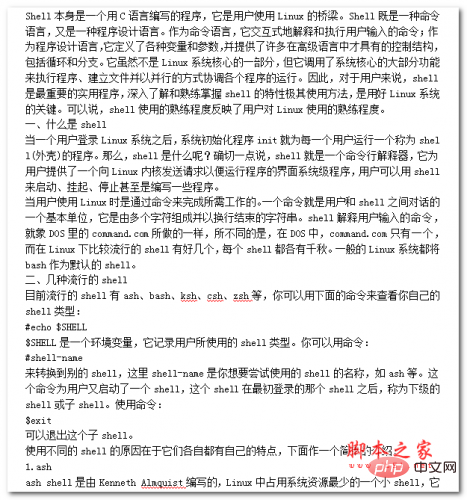 Shell脚本编写基础 中文WORD版下载
Shell本身是一个用C语言编写的程序,它是用户使用Linux的桥梁。Shell既是一种命令语言,又是一种程序设计语言。作为命令语言,它交互式地解释和执行用户输入的命令;作为程序设计语言,它定义了各种变量和参数,并提供了许多在高级语言中才具有的控制结构,包括循环和分支。它虽然不是Linux系统核心的一部分,但它调用了系统核心的大部分功能来执行程序、建立文件并以并行的方式协调各个程序的运行。因此,对于用户来说,shell是最重要的实用程序,深入了解和熟练掌握shell的特性极其使用方法,是用好Linux系统
 #include int main() {
execl("/bin/ls", "ls", "-l", (char *)NULL);
// 如果execl成功,以下代码不会被执行
return 0;
}
注意:使用exec系列函数时,参数列表必须以NULL结尾。
-
结合fork和exec使用:fork()函数用于创建一个新的进程,然后在新进程中使用exec系列函数来执行命令。
 #include include include int main() {
pid_t pid = fork();
if (pid == 0) {
// 子进程
execl("/bin/ls", "ls", "-l", (char *)NULL);
// 如果execl失败,以下代码不会被执行
return 1;
} else if (pid > 0) {
// 父进程
int status;
waitpid(pid, &status, 0); // 等待子进程结束
} else {
// fork失败
return 1;
}
return 0;
}
在使用这些方法时,需要注意权限问题、错误处理以及安全性。特别是在使用system()和popen()时,要避免命令注入攻击,不要直接将用户输入拼接到命令字符串中。如果需要使用用户输入,应该进行适当的验证和转义。




